
"delicate coffee profile"
300 article(s) found
Colombia Delicate Taste Flavor Description Grind Scale Variety Regional Profile
Colombia's exquisite taste Flavor Description Grind Scale Variety Profile of the region Colombia's favorable climate provides a truly natural pasture for coffee. Coffee trees in Colombia are grown mainly in the Andes, on steep slopes up to 1,300 meters above sea level, where year-round temperatures are about 18 degrees Celsius, annual rainfall is 2000 to 3000 mm, and latitudes 1 - 11
Silky and delicate Nicaragua coffee grind treatment Roast degree profile
In fact, coffee in Nigeria is known all over the world (Starbucks has many cooperative coffee farmers in Nigeria), and several coffee producing countries in Central America, Ex: Guatemala, Costa Rica, Nicaragua, produce coffee of similar quality, mainly due to differences in weather conditions, soil fertility, planting height, etc. Nigeria has a unique environment for coffee production

Starbucks Nicaragua Coffee Flavor Description Taste Characteristics Processing Method Producing Region Breed Profile
Starbucks Nicaragua coffee flavor description taste characteristics processing method production area variety introduction Madriz mountain beans are ecological coffee with extremely hard shell, in a pure natural cultivation environment, using more complex operations to maintain the delicate aroma and taste of coffee; produced in northern Nicaragua between Matagalpa and Jinotega, the average annual rainfall planted in 1500-1700mm, temperature medium

The moderate alcohol content of Los Congo estate fine coffee beans varieties planting market price profile
Nice acidity, moderate alcohol Nicaragua coffee belongs to Central and South American style coffee, although the acidity is not very high, but feel fresh. The alcohol level was also not high, but the overall feeling was just right, neither weak nor too thick. Make it easier to accept. The taste of red wine can be vaguely felt in the light sourness, which is also a major feature of Nicaragua coffee.

Nutritionally balanced Guatemalan Coffee introduces the Incht Manor in Mini Nanguo Highland.
Rainforest Rainforest Cobn: it is cloudy, rainy and cool all the year round. The vast majority of Koban coffee in the rainforest is grown in the obviously undulating and foggy mountains of the region and is deeply influenced by limestone and clay in the Atlantic basin. Koban has two seasons: the rainy season and the rainy season. Rainforest Coban Cup Test feature (Rainforest Cobn cup profile) Rainforest Cobn

Coffee beans growing conditions Location Climate Altitude Profile
Madriz Alpine Bean is an ecological coffee with a very hard shell. It is grown in a pure natural environment and uses complex operations to maintain the delicate aroma and taste of coffee. It is grown in Matagalpa and Jinotega in northern Nicaragua. The average annual rainfall is 1500-1700mm and the temperature is between 20-29 degrees Celsius. Coffee is hand-picked.

An introduction to the flavor and taste of the pleasant-scented Guatemalan coffee manor
Rainforest Rainforest Cobn: it is cloudy, rainy and cool all the year round. The vast majority of Koban coffee in the rainforest is grown in the obviously undulating and foggy mountains of the region and is deeply influenced by limestone and clay in the Atlantic basin. Koban has two seasons: the rainy season and the rainy season. Rainforest Coban Cup Test feature (Rainforest Cobn cup profile) Rainforest Cobn

Characteristics of coffee from eight major producing areas in Guatemala Guatemala coffee beans
Eight major coffee producing areas in Guatemala. Acatenango Valley?: the Acatenango Valley valley is 2000 meters (6500 feet) above sea level, with dense shade and unique ecology. Nearby Fuego volcanoes continue to erupt, making its coarse, sandy soil rich in a variety of minerals. Temperate sea breezes from the Pacific and seasonal

Guatemala coffee eight producing areas estate Latissa estate boutique coffee beans
Coffee in this area has been grown exclusively by small farmers since the 1950s, and today every farmer in the mountains is a coffee-producing unit. This region, once the most remote and poorest in Guatemala, is now showing signs of life. Rainy, cloudy, New Oriental ancient times is a volcanic area, soil volcanic metamorphic evolution, rich in minerals, nutrition balance,

Guatemala Antigua coffee Guatemala Antigua coffee beans Guatemala coffee bean producing areas
Eight major coffee producing areas in Guatemala. Acatenango Valley?: the Acatenango Valley valley is 2000 meters (6500 feet) above sea level, with dense shade and unique ecology. Nearby Fuego volcanoes continue to erupt, making its coarse, sandy soil rich in a variety of minerals. Temperate sea breezes from the Pacific and seasons

Eight major coffee producing areas in Guatemala introduce the treatment methods of fine coffee.
Eight major coffee producing areas in Guatemala. Acatenango Valley: the Acatenango Valley is 2000 meters (6500 feet) above sea level, with dense shade and unique ecology. Nearby Fuego volcanoes continue to erupt, making its coarse, sandy soil rich in a variety of minerals. Temperate sea breezes from the Pacific and seasons

Introduction to the Origin of Fine Coffee beans in the volcanic Coffee producing areas of Africa Bean Guatemala
1. Acatenango Valley: the Acatenango Valley is 2000 meters (6500 feet) above sea level, with dense shade and unique ecology. Nearby Fuego volcanoes continue to erupt, making its coarse, sandy soil rich in a variety of minerals. Temperate sea breezes from the Pacific and a seasonal climate make this production.

Description of Coffee Flavor of Incht Manor in Guatemala introduction to the grinding degree of varieties in producing areas
1. Acatenango Valley: the Acatenango Valley is 2000 meters (6500 feet) above sea level, with dense shade and unique ecology. Nearby Fuego volcanoes continue to erupt, making its coarse, sandy soil rich in a variety of minerals. Temperate sea breezes from the Pacific and a seasonal climate make this production.

Balanced Coffee Flavor and aroma characteristics of Incht Manor in the Heights of Mini South Fruit in Guatemala
Of the three major non-volcanic coffee producing areas in Guatemala, the Mini Tenango Highlands has the driest climate and the highest elevation. The dry and hot wind from Mexico's Tehuantepec plateau protects the region's coffee from frost and can be grown to 2000 meters (6500 feet). Because of its remote location, all coffee farmers have to process their own coffee, but fortunately it is a stream in the area.

90+Nekisse Truth 90 + Coffee types 90 + Coffee Flavor Tips
Professional coffee knowledge exchange more coffee bean information please follow the coffee workshop (Wechat official account cafe_style) Nekisse Nidis Truth country: Ethiopia altitude: 18002300 m Variety: heirlooms treatment: N2 Grade: Level 12 Nekisse this coffee bean originally from the Shakisso region of NAKED "named Ne"
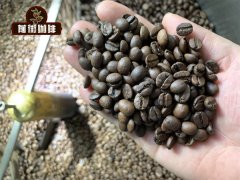
What's special about Burundi boutique coffee? What roasts Burundi coffee beans are suitable for?
Burundi coffee has been hailed as the Cinderella story of the coffee world and until recently was known for its quality and taste. When coffee was first grown in Burundi in the 1960s, the crop was unfortunately underutilized, contributing to the world of generic commodity coffee. Burundi coffee brings attention to the development and evolution of coffee. Unique flavor profile, Bloom

Guatemala coffee eight producing areas estate introduction boutique coffee Latissa estate
Traditional Atitln? Atitlan is one of the five largest volcanic coffee producing areas in Guatemala, and its soil organic matter is the richest of the five volcanic coffee producing areas. 90% of traditional Atitlan coffee is grown on the slopes of the intensely burning lake shore of Atitlan. The daily breeze stirring the lake is an important factor affecting the microclimate environment of the area.

Guatemala Coffee Volcano producing areas Atitlan, Waijangs Plateau, Mini Nanguo Highlands
. Traditional Traditional Atitln is one of the five largest volcanic coffee producing areas in Guatemala, and its soil organic matter is the most abundant among the five major volcanic coffee producing areas. 90% of the traditional Atilan coffee is grown on the violent volcanic slopes of Lake Attilan. The daily breeze stirs the lake water, which is an important factor affecting the microclimate and environment of the region.

Characteristics of Coffee in eight producing areas of Guatemala
Guatemala is a famous producer of high-quality Arabica coffee in Central America. Coffee from five volcanic and three non-volcanic producing areas is very unique and enjoys a high reputation in the international market.
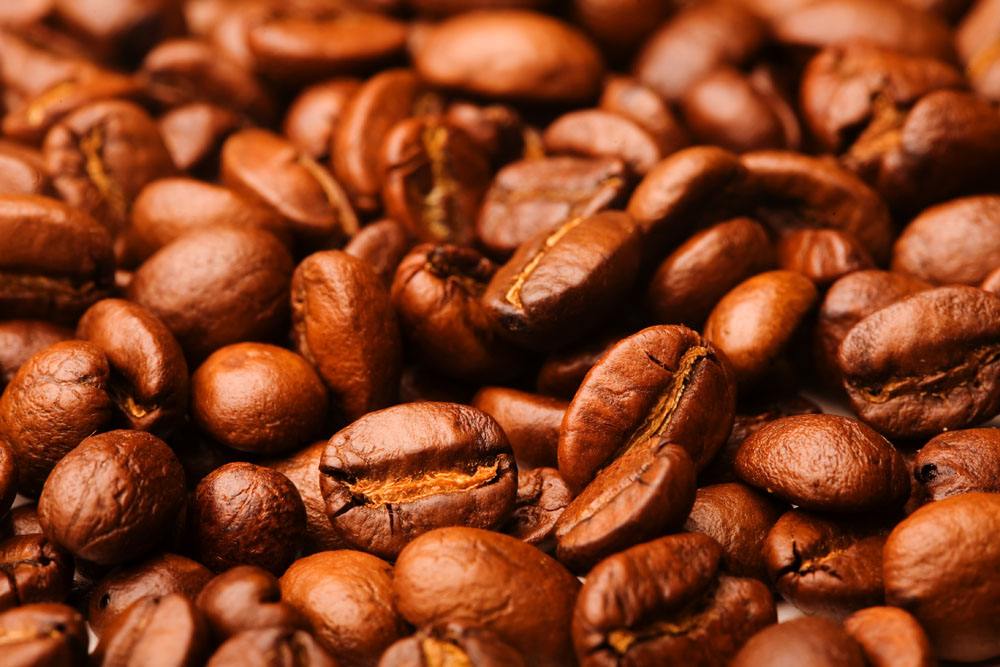
What is the altitude of Guatemala coffee beans and what are the coffee bean producing areas in Guatemala?
Guatemala Coffee beans altitude Guatemala Vivetna Fruit (Guatemala Huehuetenango): in Guatemala, it is famous for producing high quality beans, which is the highest altitude and dry climate in the coffee cultivation area of the country. Located in a rare non-volcanic area in China and the United States, the mountains are potholed and the terrain is very dangerous. Although it is nearly 2000 meters above sea level,